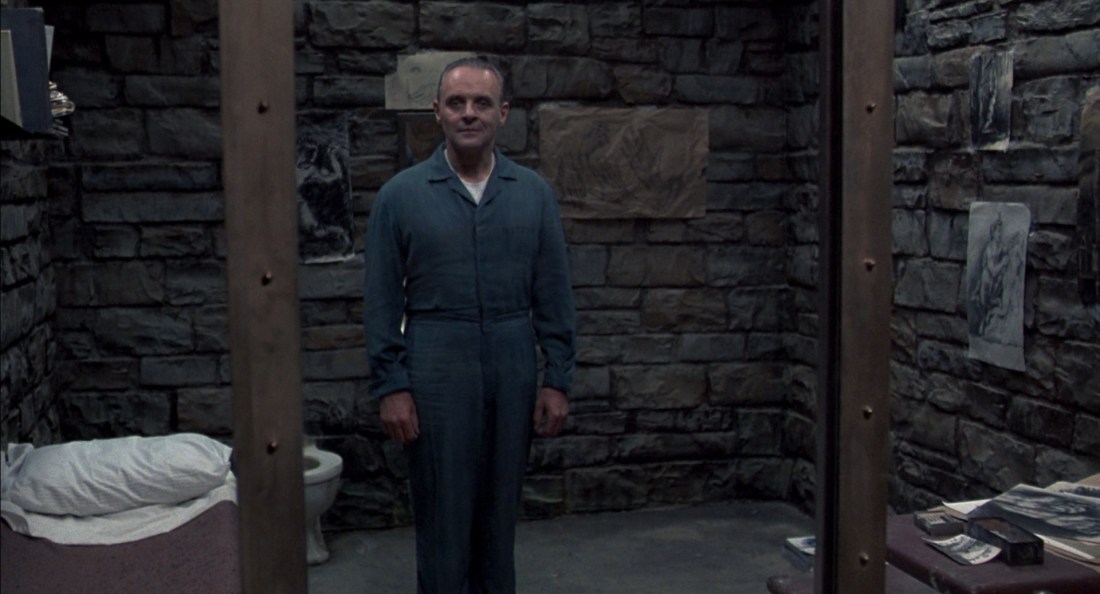
The Silence of the Lambs is based on a best-selling novel, its casting department hit two home runs with Jodie Foster and Anthony Hopkins, and it found a director whose career was on the upswing. The film had every reason to succeed, and it did. Still, few movies work on this level, and fewer yet are rewarded for their efforts.
Category: Reviews
Review: There Will Be Blood
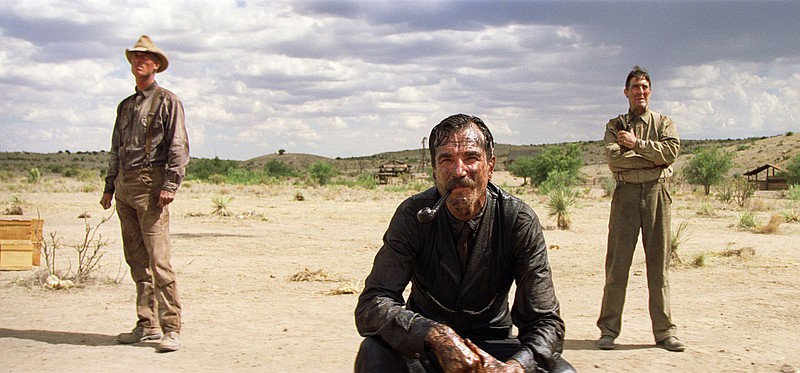
There Will Be Blood, the fifth film by writer/director Paul Thomas Anderson, represents a career turn that few others are capable of. Anderson’s first four films, Hard Eight, Boogie Nights, Magnolia, and Punch-Drunk Love were the work of an efficient, skilled filmmaker. Magnolia and Boogie Nights, in particular, suggested that Anderson may have a loftier vision than originally thought. With more experience under his belt, Anderson wrote There Will Be Blood. Three feature-length films later, There Will Be Blood is still Anderson’s defining masterpiece; it may remain that way for some time to come.
Review: Spirited Away
Legendary Japanese director Hayao Miyazaki’s magnum opus, Spirited Away, was released in 2001. Miyazaki’s animation career at his studio, Studio Ghibli, is rivaled by only Walt Disney, and Spirited Away is a big reason as to why.
Review: High Life
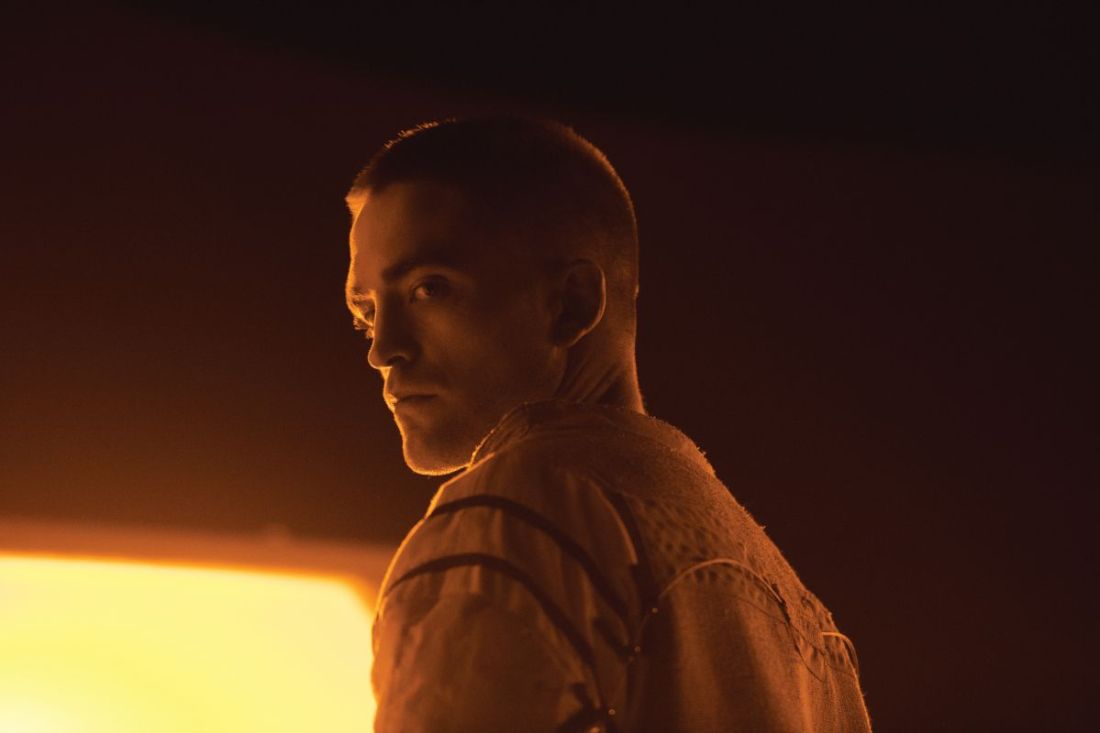
High Life, the first English-language film by French auteur Claire Denis, made its debut at the Toronto International Film Festival in September 2018. Planned by Denis for 15 years, High Life finally saw a limited release in the United States in April 2019. In comparing the film to genre heavyweights, it is closer to The Phantom Menace’s meandering than A New Hope’s quality. High Life would’ve been better off unrealized.
Review: Ex Machina
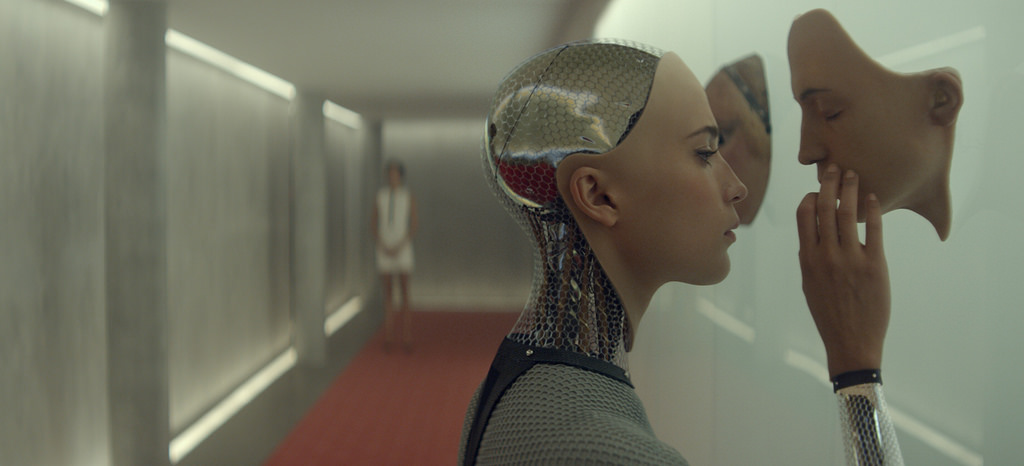
It’s rare that a weighty, succinct, cerebral film slips through the cracks in the Information Age, but that’s exactly what happened to 2015’s underappreciated Ex Machina. Most filmmakers (and, let’s be honest, studios) would be happy to take home nearly $37 million at the box office on a $15 million budget and secure an Academy Award for Best Visual Effects, but those accolades don’t seem like quite enough recognition for the best film of 2015.
Review: First Reformed
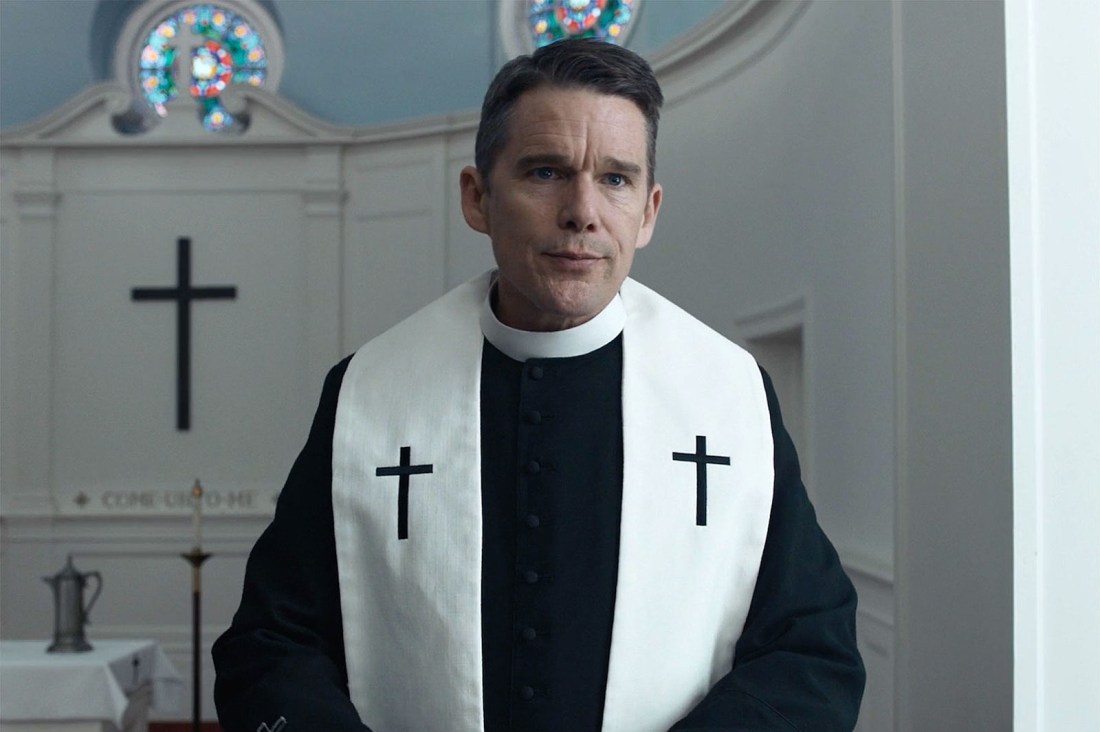
Screenwriter and director Paul Schrader is best known for writing Taxi Driver and co-writing Raging Bull. With First Reformed, a movie written and directed by Schrader, the filmmaker can step out of Martin Scorsese’s long shadow and add an accomplishment all his own to the list of his most prominent credits.
Review: Paddington 2
Featuring a pastel-colored prison bakery, a bear riding a stray dog like Napoleon Crossing the Alps, and a pop-up book leading to long lost treasure, Paddington 2 is pure childhood bliss in a 104-minute package.
Review: Avengers: Endgame
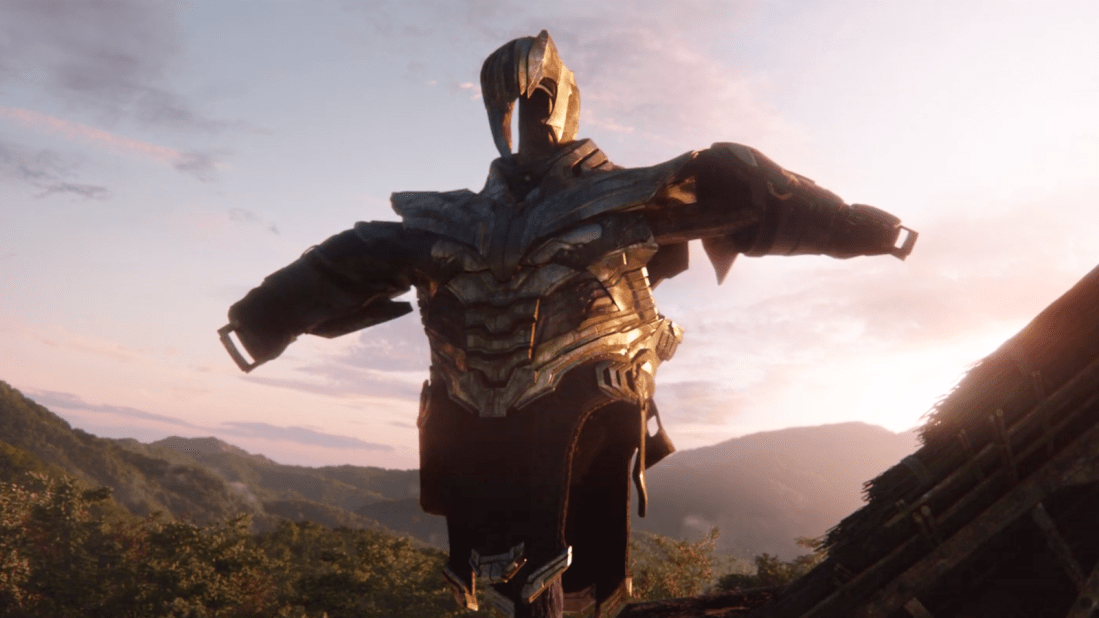
In Avengers: Infinity War, the Sorcerer Supreme, Dr. Strange (Benedict Cumberbatch), willingly gives the all-powerful time stone to Thanos (Josh Brolin), a galactic-conqueror and freshman-year philosophy major. When Iron Man (Robert Downey Jr.) questions Dr. Strange’s decision, the sorcerer responds, “We’re in the endgame now.” After 21 Marvel movies, he’s right. Avengers: Endgame is a fitting conclusion to Marvel’s first 11-year cinematic story.
Review: The Ballad of Buster Scruggs
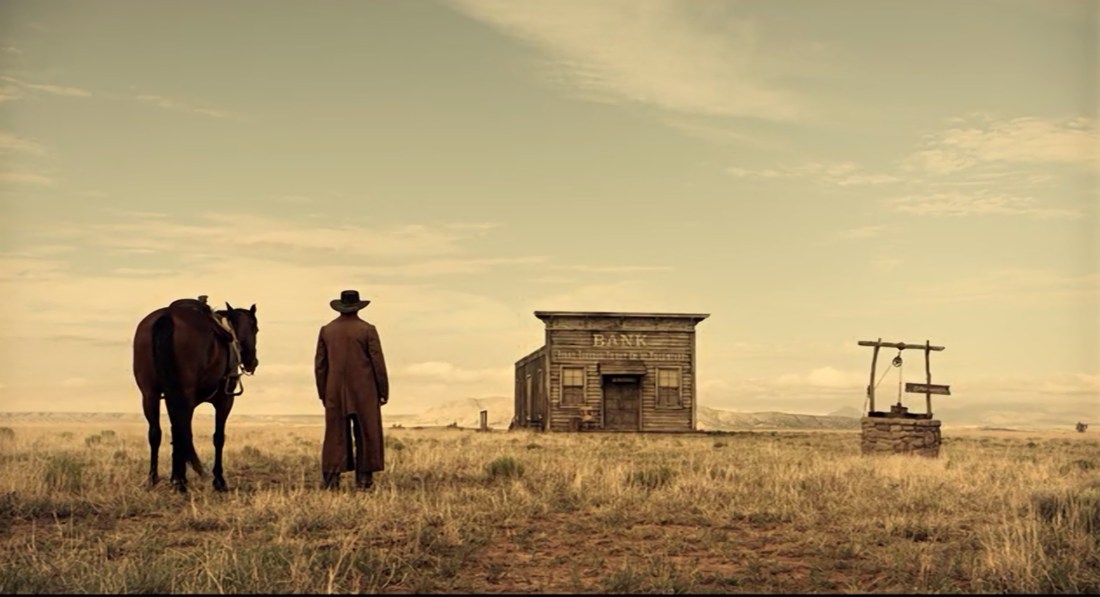
New York Stories and V/H/S are among the most notable anthology movies, but the best known of all is already 2018’s The Ballad of Buster Scruggs, the most recent film from Joel and Ethan Coen. In Buster Scruggs, the directors open and close each of the movie’s six short films by flipping through the fictional book of short stories that the tales emanate from. This is apt imagery from a collection of unconnected, darkly comedic Westerns that belongs on a list among the best short stories in any medium.
Review: Green Book
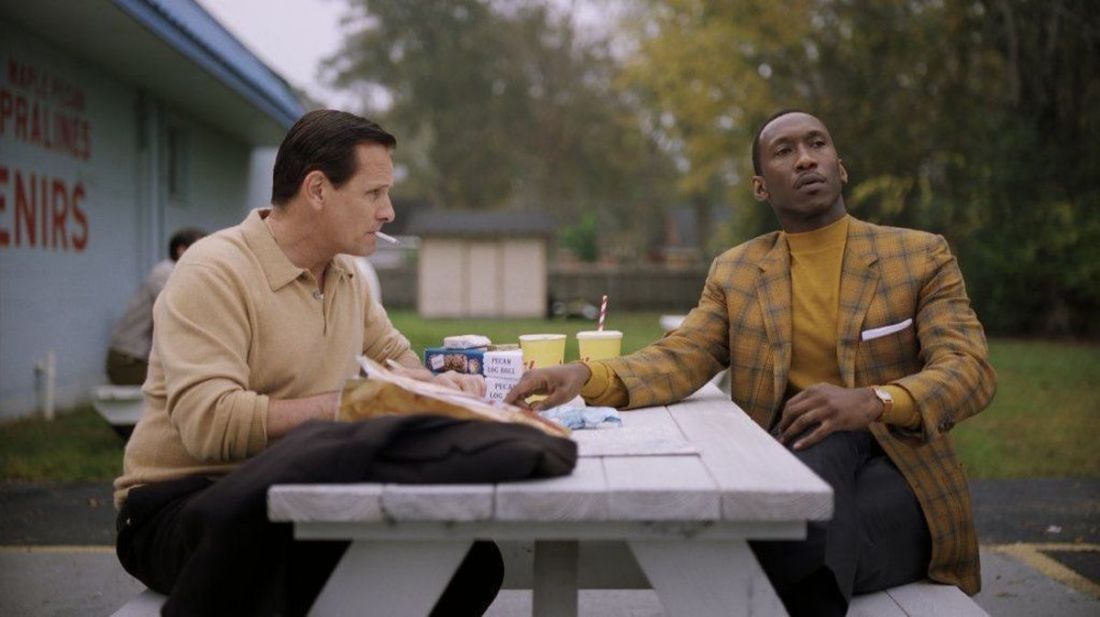
Twenty-nine years after Driving Miss Daisy unconscionably secured the Academy Award for Best Picture, Green Book, a movie informally dubbed the reverse Driving Miss Daisy, took home the same prize at the 2018 Academy Awards. Studios won’t halt production on the Green Books of the world until movies like it are no longer profitable and well received, but the Academy should stop rewarding them. Green Book is entertaining, innocuous (on its surface), and feel-good for the right viewer, but the context surrounding it and the subtext that can be garnered from it change the conversation.